




Used HD Trucks for Horse Trailering Ohio
| Sales | ||
| Day | Open | Closed |
| Monday | 9:00AM | 8:00PM |
| Tuesday | 9:00AM | 8:00PM |
| Wednesday | 9:00AM | 8:00PM |
| Thursday | 9:00AM | 8:00PM |
| Friday | 9:00AM | 5:00PM |
| Saturday | 9:00AM | 5:00PM |
| Sunday | Closed | Closed |
How to Shop Used HD Trucks in Ohio for Horse Trailering
Used diesel trucks for sale Ohio searches usually begin with towing numbers and price, but horse trailering adds another layer of decision making tied to stability, braking, suspension wear, and long distance towing confidence. A truck that looks strong on paper may still feel unsettled with a loaded horse trailer behind it. Another truck may have impressive towing numbers but weak maintenance history or signs of heavy drivetrain strain from years of hauling.
That is why used HD truck shopping should begin with the trailer before the truck.
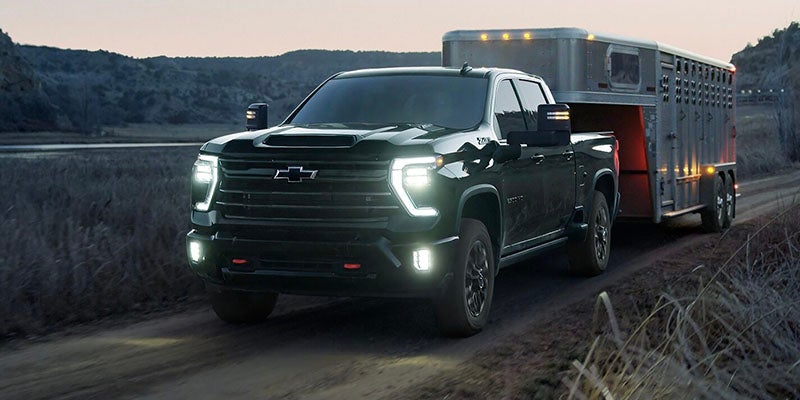
Horse trailers place unique demands on a truck. Weight shifts differently than utility trailers, livestock movement changes trailer balance during travel, and braking smoothness matters more when live animals are involved. Drivers hauling horses across Ohio may travel through highways, rural roads, uneven pavement, hills, and changing weather. The truck needs enough strength for the trailer, but it also needs predictable braking, suspension control, cooling strength, and long drive comfort.
Coughlin Automotive locations throughout Ohio offer used trucks, diesel trucks, and HD towing options online, including inventory search tools that help shoppers compare available models before visiting. The stronger approach is narrowing those trucks down using towing fit, inspection history, and trailer needs before committing to a purchase decision.
The goal is not to chase the biggest number. The goal is choosing a truck that feels trustworthy when the trailer is connected and the horses are loaded.
Start With the Trailer Before the Truck
Before comparing used HD trucks, know the trailer weight and how the trailer will be used. A horse trailer may carry one horse, multiple horses, tack, feed, water, supplies, passengers, and equipment. That total weight matters more than the empty trailer number alone.
This is where buyers sometimes create problems during truck shopping. They focus only on maximum tow ratings without considering payload, passenger weight, hitch setup, cargo in the bed, or how the trailer behaves during longer travel.
Start with these questions:
- How many horses will the trailer carry?
- What is the loaded trailer weight?
- Is the trailer bumper pull or gooseneck?
- Will passengers ride in the truck regularly?
- Will tack, feed, or equipment ride in the truck bed?
- How long are the towing trips?
- Will the truck tow mostly highway miles or rural roads?
A used Silverado HD, Sierra HD, Ram HD, Ford Super Duty, or similar diesel truck may all appear capable enough for the trailer, but the setup still matters. A larger crew cab gives more passenger room and storage but also changes payload numbers. A heavier trim package may add comfort features but reduce available payload. A dually setup may feel more planted with heavier trailers, but it also changes parking and maneuvering considerations.
This creates the first tradeoff. Larger trucks may provide more towing confidence and stability, but they can also cost more to maintain, feel larger during daily driving, and carry higher tire and repair costs. Smaller HD setups may feel easier to live with day to day, but they still need enough strength for trailer weight and highway control.
The trailer should shape the truck choice, not the other way around.
Compare Mileage, Maintenance, and Towing History Together
Mileage matters on used diesel trucks, but it should never be read without maintenance history and towing history beside it. A diesel truck with higher mileage and strong records may be more trustworthy than a lower mileage truck with inconsistent service or unclear towing history.
Diesel trucks used for horse trailering or HD towing experience different wear than lighter duty commuting trucks. Towing adds heat, stress, brake wear, transmission strain, and suspension load. That does not automatically make the truck a poor choice, but it means inspection quality becomes more important.
Review:
- Oil change records
- Transmission service history
- Cooling system maintenance
- Fuel filter replacement history
- Tire replacement timing
- Brake replacement records
- Suspension repairs
- Differential service records
- Emissions system maintenance
- Prior towing setup
Ask how the truck was used. A truck towing horses occasionally on weekends may show different wear than a truck hauling heavy equipment daily. Highway towing can also create different wear patterns than repeated stop and go hauling.
Mileage should also match condition. Interior wear, seat condition, pedal wear, steering wheel wear, and trailer hitch condition may reveal harder use than the odometer suggests. Exterior clues matter too. Rust underneath the truck, suspension corrosion, uneven tire wear, or worn hitch components may point toward heavier towing use or rougher driving environments.
This is where buyers need to slow down. A used diesel truck is not only an engine purchase. It is a cooling system, suspension system, transmission system, brake system, towing platform, and maintenance history working together.
Inspect Suspension, Brakes, Tires, and Cooling
Horse trailers place major demands on suspension control, braking smoothness, and cooling strength. Those areas deserve close inspection before any used HD truck purchase.
Start with suspension. A truck carrying trailer tongue weight or gooseneck load repeatedly may show suspension fatigue over time. Watch for:
- Sagging rear ride height
- Uneven stance
- Clunks or rattles
- Excessive bounce
- Loose steering feel
- Uneven tire wear
Tires matter heavily during towing. Check tread depth, age, matching tire brands, sidewall condition, and load rating. Uneven wear may suggest alignment or suspension concerns. Tire replacement on HD trucks can become expensive quickly, so tire condition changes the value equation.
Brakes deserve close attention too. Horse trailers require smooth stopping feel because abrupt braking can create trailer movement and discomfort for the horses inside. During inspection or test drive, look for:
- Pulsation
- Grinding
- Pulling
- Delayed response
- Brake fade
- Brake warning lights
Cooling matters more during towing than daily commuting. HD trucks hauling trailers generate more heat under load, particularly during summer travel, hills, highway merging, or stop and go towing traffic. Review coolant condition, radiator condition, fan operation, transmission cooling history, and warning lights tied to temperature systems.
Also inspect:
- Trailer brake controller operation
- Hitch receiver condition
- Gooseneck or fifth wheel setup if equipped
- Wiring connectors
- Tow mirrors
- Exhaust brake operation if equipped
This is where trust begins forming during used truck shopping. A cleaner inspection story creates more confidence before the trailer is ever attached.
Understand Diesel Ownership Before Buying
Diesel trucks provide towing strength, torque, and highway hauling comfort that appeal to horse trailer owners, but diesel ownership also includes additional maintenance and operating considerations.
Modern diesel trucks may include emissions equipment such as diesel exhaust fluid systems, diesel particulate filters, and emissions sensors. Those systems require maintenance attention, and repair costs can become expensive if maintenance is ignored.
Before buying, review:
- Emissions warning history
- DEF system service records
- Cold start quality
- Idle quality
- Exhaust smoke
- Turbo response
- Fuel system maintenance
There is also a financial tradeoff. Diesel trucks may tow more comfortably and maintain highway pulling strength under load, but they also bring higher oil capacity, larger tires, and more expensive repair potential. Buyers planning frequent horse trailering may still prefer diesel because towing confidence matters more to them than lighter duty commuting comfort.
The important step is entering ownership with clear expectations. A diesel truck should be evaluated as a towing platform first and a commuter second if horse hauling is the main purpose.
Match Cab Size and Bed Setup to Horse Travel
Horse trailering changes how truck space should be evaluated. Cab configuration, storage space, and bed setup all matter during longer towing trips.
A regular cab may maximize payload, but it reduces passenger and storage room. A crew cab may carry family members, tack, feed, equipment, coolers, bags, or overnight gear more comfortably during longer travel.
Bed setup matters too:
- Short bed versus long bed
- Gooseneck clearance
- Storage boxes
- Bed liners
- Tie down access
- Fuel tank additions
The right setup depends on how the truck will actually be used throughout the year. A buyer traveling to shows or hauling horses across Ohio regularly may value passenger comfort and storage more heavily than someone hauling locally a few times per month.
This creates another tradeoff between towing setup and daily use. A larger truck with more storage and trailer equipment may feel stronger during hauling, but it may also feel less convenient for parking, commuting, or tighter city driving.
The truck should support the trailer schedule and the daily schedule together.
Use the Test Drive to Evaluate Stability and Control
A used HD truck test drive should answer towing questions before the trailer is connected. Even without towing, the truck’s condition reveals itself through steering feel, braking response, suspension control, and drivetrain smoothness.
During the drive, evaluate:
- Steering tightness
- Brake smoothness
- Transmission shifts
- Suspension movement
- Highway stability
- Acceleration response
- Turbo response
- Vibration
- Noise during braking or turning
- Idle smoothness
If possible, ask questions about prior towing use and trailer setup. A truck already configured for towing may include trailer brake controls, upgraded mirrors, hitch equipment, or towing packages that fit your needs better.
Pay attention to ride control too. Horse trailers react to sudden steering input, unstable braking, and suspension movement. A truck that already feels unsettled unloaded may feel worse once towing begins.
The goal of the drive is not excitement. It is confidence.
Shopping Used HD Trucks in Ohio With More Confidence
Used HD truck shopping in Ohio becomes easier when the search stays tied to the trailer, towing fit, inspection quality, and maintenance history instead of only focusing on price or engine size.
Before visiting, narrow the list using:
- Trailer weight
- Cab needs
- Drivetrain preference
- Maintenance records
- Tire condition
- Brake condition
- Towing equipment
- Mileage comfort
- Suspension feel
- Highway travel plans
Then confirm truck availability, inspection details, and towing setup before driving to the dealership.
A focused shopping process saves time and reduces uncertainty. Instead of guessing whether a truck can handle horse trailering confidently, you arrive already knowing which questions matter most and which trucks deserve closer attention.
Frequently Asked Questions About Used HD Trucks for Horse Trailering
What size used truck do I need for horse trailering?
The right truck size depends on trailer weight, number of horses, trailer style, passenger weight, and cargo carried inside the truck and trailer.
Is mileage important on a used diesel truck?
Mileage matters, but maintenance history, towing history, inspection quality, and overall condition should be reviewed together before making a decision.
What should I inspect on a used HD truck before buying?
Review suspension, brakes, tires, cooling systems, transmission feel, towing equipment, maintenance records, emissions history, and trailer setup.
Are diesel trucks good for horse trailering?
Diesel trucks are popular for horse trailering because they provide strong towing torque and highway hauling strength, though maintenance and repair costs can be higher.
Why does suspension matter when towing horses?
Suspension control affects trailer stability, ride smoothness, braking feel, and how the trailer reacts during turns, bumps, and highway travel.
(Note: This article focuses on providing valuable information and does not mention specific pricing, for more information about financing and car buying, please reach out to our dealership.)