



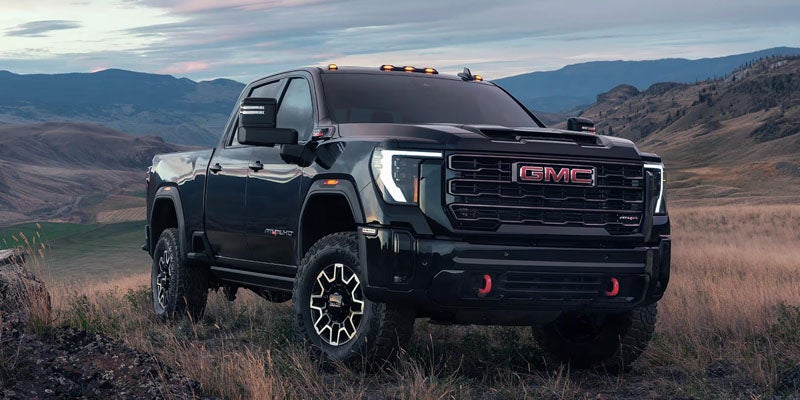
Chevrolet Silverado and GMC Sierra Winter Towing
View New 4WD Trucks for Winter Towing
Browse AWD Equipped Vehicles
Explore Used AWD and 4WD Trucks
Speak With a Specialist
| Sales | ||
| Day | Open | Closed |
| Monday | 9:00AM | 8:00PM |
| Tuesday | 9:00AM | 8:00PM |
| Wednesday | 9:00AM | 8:00PM |
| Thursday | 9:00AM | 8:00PM |
| Friday | 9:00AM | 5:00PM |
| Saturday | 9:00AM | 5:00PM |
| Sunday | Closed | Closed |
Chevrolet Silverado and GMC Sierra Winter Towing
Winter towing in Ohio demands more than rated capacity. It requires traction that stays predictable as surfaces change, braking control that remains stable with added trailer weight, and power delivery that does not overwhelm available grip. Chevrolet Silverado and GMC Sierra trucks are engineered around these realities with available 4WD systems, integrated trailering technology, and chassis designs that support controlled towing in snow, ice, and cold temperatures. This guide explains how winter towing differs from warm weather towing and what to evaluate when choosing the right truck for Ohio conditions.
What changes when towing in winter conditions
Cold weather affects every part of the towing equation. Tire rubber stiffens as temperatures drop, reducing grip. Snow and ice lower available traction even further. Added trailer weight increases stopping distance and amplifies instability if traction is lost. Winter towing success depends on maintaining smooth torque delivery, reducing sudden inputs, and keeping the truck and trailer aligned under braking and cornering.
- Traction is reduced which means acceleration must be gradual and controlled to avoid wheel spin.
- Braking distances increase because both the truck and trailer are relying on limited tire grip.
- Trailer sway risk rises when traction is inconsistent or speed changes abruptly.
- Visibility and reaction time matter more due to snow spray, glare, and shorter daylight hours.
Why 4WD matters for winter towing with Silverado and Sierra
Available 4WD systems on Silverado and Sierra are designed to distribute torque across more contact patches, helping the truck maintain forward movement without overwhelming individual tires. In winter towing, this helps the truck launch smoothly from stops, maintain momentum on grades, and stay composed when traction varies across lanes or road surfaces. 4WD does not increase braking capability, but it improves stability under load and reduces wheel spin that can destabilize a trailer.
Proper use matters. Engage 4WD when roads are snow covered or icy, and return to 2WD when conditions improve to reduce drivetrain drag. For very low speed control such as deep snow starts or steep slick grades, low range settings on applicable models provide torque multiplication with precise throttle control.
AWD versus 4WD for winter towing in Ohio
AWD and 4WD serve different purposes. AWD is typically optimized for on road traction management and automatically adjusts torque when slip is detected. 4WD uses a transfer case to mechanically engage both axles, providing stronger and more consistent traction for heavier loads and deeper snow. For regular winter towing, especially with heavier trailers, 4WD trucks offer the control and durability most Ohio drivers need.
- AWD works well for light loads and mixed winter driving on plowed roads.
- 4WD is better suited for heavier trailers, rural roads, and unplowed conditions.
- Driver selection allows 4WD to match traction needs more precisely during towing.
Tow haul mode and trailer control in winter
Tow haul mode adjusts shift timing and engine braking to better manage added trailer weight. In winter, this helps reduce unnecessary gear changes that can upset traction and allows the truck to slow more gradually using engine braking rather than sudden brake application. Integrated trailer brake controllers further stabilize braking by coordinating trailer braking force with the truck.
Trailer sway control works alongside stability systems to detect unwanted trailer movement and apply corrective braking when necessary. These systems are most effective when paired with proper loading, balanced tongue weight, and conservative winter driving speeds.
Tires and setup for winter towing safety
Tires are the most critical component for winter towing. No drivetrain system can compensate for inadequate tire grip. Winter rated or snow rated tires provide better cold temperature flexibility and improved traction on snow and ice. Trailer tires should also be inspected for cold weather performance and proper inflation, as underinflated trailer tires increase sway risk.
- Use winter or snow rated tires for consistent grip in freezing conditions.
- Check tire pressure frequently since cold temperatures reduce inflation pressure.
- Confirm trailer balance to maintain stable tongue weight.
Driving techniques that protect control while towing in snow
Smoothness is the foundation of winter towing control. Abrupt steering, braking, or throttle inputs can exceed available traction and trigger instability. Silverado and Sierra stability systems are designed to assist, but they perform best when drivers operate within traction limits.
- Accelerate gradually to avoid breaking traction.
- Brake earlier and more gently to maintain alignment between truck and trailer.
- Avoid cruise control on slick surfaces.
- Increase following distance to allow for longer stopping distances.
Choosing the right Silverado or Sierra for winter towing
The best truck for winter towing depends on trailer weight, road conditions, and how frequently you tow. Light duty models handle recreational and utility trailers well, while heavy duty configurations provide added cooling, braking capacity, and chassis strength for frequent or heavy loads. Matching the truck to your real world use is the most effective way to improve winter safety and confidence.
Our team can help you compare Silverado and Sierra configurations, review towing equipment, and choose a setup that fits Ohio winter conditions.
(Note: This article focuses on providing valuable information and does not mention specific pricing. For more information about financing and truck buying, please reach out to our dealership.)